

Galati Yachts AI ChatBot
Powered by AI
Find exactly what you're looking for...


When it comes to boating, safety should always come first. Even though modern boats are well-built and reliable, emergencies can still happen—whether it’s a mechanical failure, fire, or a worst-case scenario like your boat taking on water. That’s where a ditch bag comes in.
Also called an “abandon ship bag,” a ditch bag is a grab-and-go pack that contains survival tools and emergency gear you’ll need if you’re forced to leave your boat quickly. So ask yourself: Am I as prepared as I should be on the water? If the answer is no, keep reading to learn what to pack in your ditch bag.
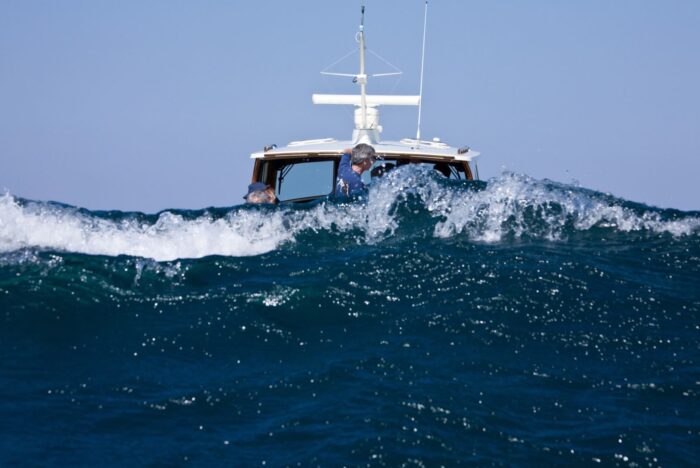 A ditch bag is a compact, waterproof bag filled with survival essentials. It should be stored in an easy-to-access location and known to everyone onboard. In an emergency, seconds count—so make sure it’s always within reach.
Look for a bag that:
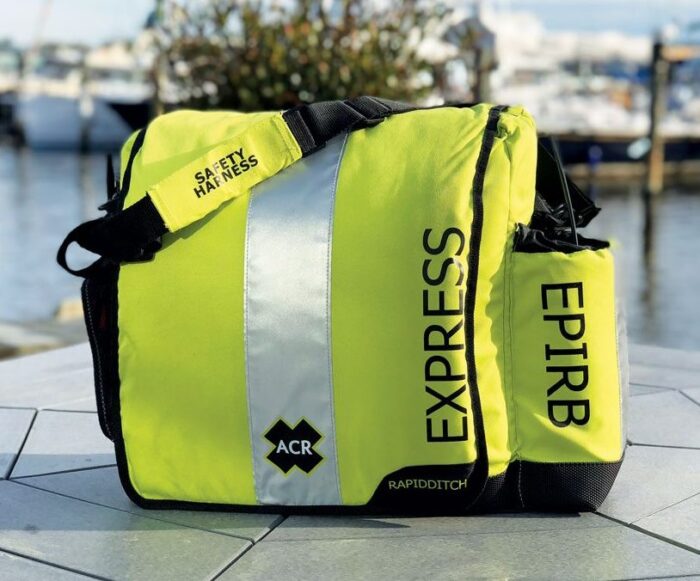 Your ditch bag should hold two categories of gear: tools for signaling help, and supplies to keep you alive and safe until rescue arrives.
To alert rescuers and guide them to your location, pack at least one electronic device—preferably both an EPIRB (Emergency Position Indicating Radio Beacon) and a PLB (Personal Locator Beacon). Add a waterproof handheld VHF radio with GPS, plus extra batteries for backup.
Other signaling must-haves include a signal mirror, waterproof strobe light or flares, and an audible device like a whistle or compact air horn. A high-visibility streamer that deploys in water can also be helpful for aerial search efforts.
In addition to signaling gear, your ditch bag should include items that help you stay nourished, hydrated, and protected from the elements:
If you have room in your ditch bag—or keep a second one onboard—there are several other useful items that can greatly improve your situation.
✔️ Water purification tablets or a filter straw are lightweight and can be life-saving if clean water runs out.
✔️ A compact tarp or emergency space blanket offers protection from sun, wind, or rain.
✔️ Duct tape, ziplock bags, and a headlamp (with spare batteries) are handy in dozens of situations.
✔️ For long voyages or remote boating, a satellite communicator like a Garmin inReach or Spot X can allow texting even without cell service.
It’s also smart to include essential identification and health info. Laminated copies of your ID, passport, and vessel registration can help authorities verify your identity. Also include a small card with your emergency contacts, blood type, allergies, and prescriptions.
If you boat with kids or pets, pack items for them too—such as a child-size life jacket, diapers, baby formula, pet meds, or a leash.
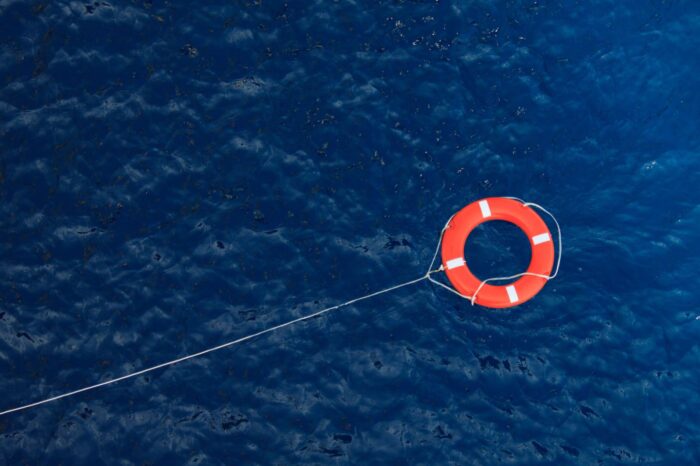 Even the best-packed ditch bag is only part of your emergency readiness. Create a clear plan with your guests or crew. Everyone onboard should know:
Practicing this plan—just like a fire drill—can make your response faster and calmer during an actual emergency.
Emergency gear is only helpful if it works when you need it. Set a calendar reminder every 6 months to inspect and update your ditch bag. Replace expired food, test batteries and radios, and make sure documents are up to date.
A ditch bag is a boating essential. Whether you’re cruising offshore or enjoying a day trip along the coast, the time to prepare is before you leave the dock. Having a well-stocked, easy-to-access ditch bag could be the difference between panic and protection in an emergency.
Boating with peace of mind starts with preparation—and with a partner you can trust. From helping you find the right yacht to providing exclusive customer support after the sale, Galati Yacht Sales is with you every step of the way. Let’s talk about how we can help you boat smarter, safer, and with total confidence.
→ Working With a Yacht Broker
You May Also Like
Filing a float plan before embarking on a boating excursion
Top Tips for Pets Aboard | Yachting Guide
Disadvantages of Ethanol Fuel & Additives | Boating 101




© 2026, GALATI YACHT SALES. All Rights Reserved. Site designed by James Ross Advertising.
900 S Bay Blvd, Anna Maria, Florida, 34216, United States
ADA Statement | Privacy Policy | Terms of Use | Sitemap


Compare Yachts


Compare (0/3)


